PLANTOUR
For companies managing complex route planning and dispatch operations with large numbers of orders, multiple operational constraints and several dispatchers.
As the number of orders, vehicles and requirements increases, route planning becomes more complex. Discover what matters when planning and optimizing tours, the challenges involved and how software can support the process.

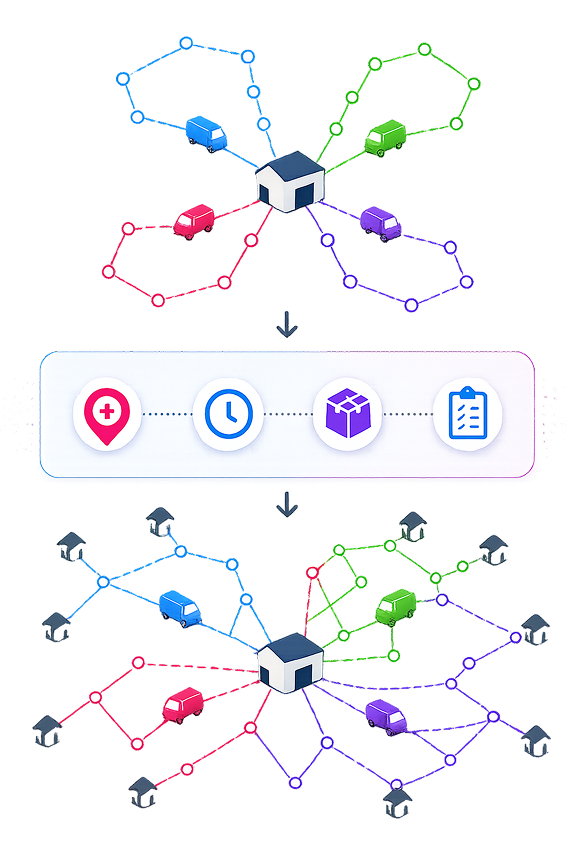
Route planning involves organizing orders, vehicles and scheduling requirements into an efficient, cost-effective and practical plan. Orders are grouped into routes, assigned to suitable vehicles and arranged in an appropriate stop sequence. The aim is to make the best possible use of available resources while minimizing unnecessary travel.
Route optimization is an integral part of route planning. Using advanced algorithms, different combinations of orders, vehicles and stop sequences are evaluated to identify efficient solutions and reduce travel times, distances and costs. The objective is not simply to find the shortest route, but to develop a reliable, cost-effective route plan that meets operational requirements and can be successfully implemented in day-to-day operations.
Routing determines the most suitable path between individual stops. Route planning, on the other hand, considers the entire transport operation and determines how orders should be allocated across vehicles and delivery routes.
Well-planned routes help avoid unnecessary journeys, reduce idle time and toll expenses, and improve vehicle utilization. This makes transport costs easier to track and manage.
Even with large numbers of orders and vehicles, route planning should require as little effort as possible. This makes it easier to compare different planning options and make decisions more quickly.
Last-minute changes can affect existing routes and require adjustments. Effective route planning needs to accommodate these changes and produce a practical route plan, even when conditions change.
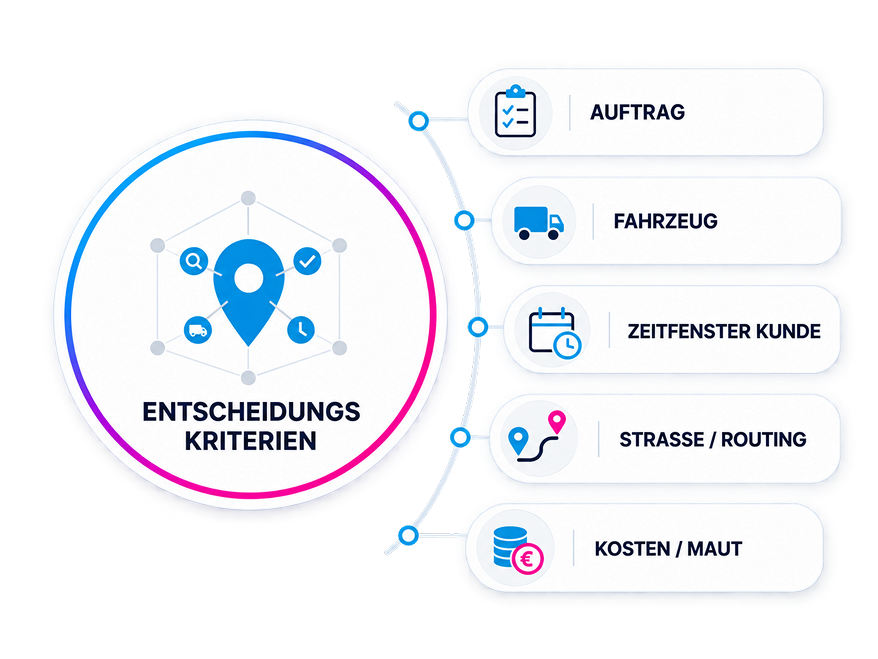
Effective route planning requires balancing multiple requirements and constraints simultaneously. Delivery windows, vehicle capacities, service times, available resources, travel times and costs are closely interconnected. Finding the right balance is essential, as not every combination results in a feasible or efficient route plan.
Accurate travel times and realistic distances are equally important. In road freight transport, factors such as vehicle height and weight, access restrictions, road types, tolls and local conditions must be considered to ensure routes are both efficient and practical.
Many delivery areas and route structures have developed over time, shaped by years of operational experience. While these established approaches often work well, they may still offer opportunities for improvement. The challenge is to identify and unlock this potential while making the most of the dispatch team's knowledge and expertise.
Route optimization becomes particularly valuable when increasing numbers of orders, vehicles and operational constraints make manual planning more complex and time-consuming. It helps businesses evaluate different planning options, identify opportunities for improvement and make better use of available resources.
Common situations with potential for improvement

Discover how optimized routes can help reduce travel distances, transport costs and CO₂ emissions. Use our savings calculator to get an initial estimate of your potential cost savings.
Calculate your potential savings →Day-to-day logistics operations depend on reliable processes and quick decisions. regularly reviewing and improving the underlying planning structures can unlock additional efficiencies. Operational route planning and strategic route optimization complement each other, helping businesses improve both daily performance and long-term efficiency.
Operational route planning focuses on organizing and managing upcoming orders and deliveries.. It considers vehicle availability, delivery requirements and current operating conditions to create practical, reliable route plans. When unexpected changes occur, routes can be adjusted to keep deliveries on schedule and operations running smoothly.
Strategic route optimization focuses on identifying recurring patterns and opportunities for structural improvement.. Frequent detours, low vehicle utilization, regular overtime or extensive manual adjustments may indicate a need to review delivery areas, depot assignments, route structures or delivery time window requirements.
Successful route optimization starts with a well-structured approach. These five steps outline the key aspects of route planning to consider and show how businesses can systematically improve their route planning.
The shortest route is not always the fastest, most cost-effective or most reliable. It is therefore important to determine which objectives matter most for your specific operations and prioritize them accordingly.
Accurate Addresses, delivery windows, service times and vehicle profiles are essential for reliable route planning. Incomplete or inaccurate data can lead to impractical results, even when advanced optimization algorithms are used.
Experienced dispatchers understand the practical requirements, customer expectations and operational constraints that influence route planning. By incorporating this knowledge into the optimization process, algorithms can identify efficient routes that also work in day-to-day operations.
Comparing different delivery areas, vehicle assignments, depot locations or delivery windows helps reveal opportunities for improvement. Evaluating these scenarios makes it easier to identify changes that offer operational or financial benefits.
Actual travel times, waiting times and deviations from planned routes provide valuable insights into daily operations. These insights can be used to improve future route planning.
Route optimization goes far beyond calculating a single route. It involves identifying suitable routes from a vast number of possible combinations of orders, vehicles and stop sequences.
This challenge is known as the Vehicle Routing Problem (VRP). The aim is to find feasible, cost-effective routes while considering constraints such as vehicle capacities, delivery windows and available resources. At the same time, factors such as transport costs, reliability and vehicle utilization must be carefully balanced.
Route optimization belongs to a class of computational problems known as NP-hard problems. As the number of orders, vehicles and operational constraints increases, the number of possible combinations can grow rapidly, making it difficult to identify the best one. For large, complex planning scenarios, evaluating every possible solution is generally impractical. Professional route optimization systems therefore use heuristics, metaheuristics and other advanced optimization methods to explore promising solutions and find high-quality, feasible route plans within a reasonable timeframe.
In practice, the goal is not necessarily to achieve a mathematically optimal solution, but to create an efficient, reliable and cost-effective route plan that can be implemented in day-to-day operations.
Example calculation: 50 stops and four vehicles
Distributing 50 stops across four vehicles and determining the stop sequence for each route already produces approximately 7.1 × 1068 possible combinations in a simplified model:
50! × C(53, 3) ≈ 7.1 × 1068
Here, 50! represents the possible sequences of stops, while the second factor accounts for the different ways these sequences can be divided among the four vehicles. Delivery windows, vehicle capacities and other operational constraints are not yet included.
Even if a computer could evaluate one billion combinations per second, checking every possibility would take approximately 2.3 × 1052 years. This illustrates why evaluating every possible combination is simply not a practical approach to route optimization.
Route planning goes beyond supporting day-to-day dispatch operations. It also helps logistics management, senior management, controlling and IT teams make better-informed decisions about operations, costs and capacities.
PASS offers a range of software solutions for route planning and optimization. Choosing the right solution depends on the complexity of your planning operations, your specific business requirements and the level of integration needed with existing systems.
For companies managing complex route planning and dispatch operations with large numbers of orders, multiple operational constraints and several dispatchers.
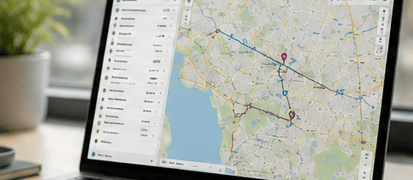
For companies looking to plan and optimize routes directly in their browser, without installing any software.

For companies that want to integrate routing, route optimization and other logistics capabilities into existing applications via APIs.
Want to improve your route planning and discover what our solutions can do for your business? Try our software yourself or book a personalized demo to find out how we can support your specific requirements.


“PLANTOUR is a great support for our service teams and project management. We had extensive and very specific requirements for our route planning and, together with PASS Software, were able to sustainably solve a central and important challenge for our business.”


“Unlike in the past, we can now monitor every single pallet and allocate services down to the cent. At the end of the year, this naturally enables a completely different level of benchmarking.”


“PLANTOUR has been accepted by the dispatchers. For Steelcase, the decision was the right one, as the investment paid for itself within one year. Transport costs of €250,000 are saved year after year.”
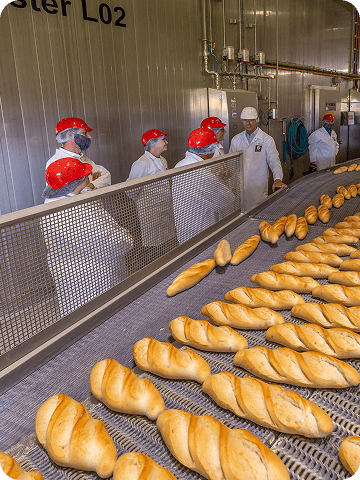

“With the PLANTOUR route planning system, Harry Brot GmbH improves delivery punctuality and shortens routes. The optimised routes save 30 to 90 minutes per route and day.”
No. Optimization algorithms support dispatchers by identifying suitable routes and comparing different planning options. Dispatchers remain essential for considering operational requirements, reviewing proposed routes and making adjustments when necessary.
Key data includes orders, customer addresses, quantities, delivery windows, service times, vehicle profiles, capacities, depot information and relevant operational constraints. The more accurate and up-to-date this data is, the more reliable the resulting route plans will be.
Yes. Route optimization can also benefit fleets with just a few vehicles, particularly when numerous stops, fixed delivery windows or frequent changes make planning more complex. The deciding factors are not simply fleet size, but the amount of planning involved and the potential for improvement.
Route optimization depends on reliable estimates of travel times, distances and expected arrival times. If these estimates are inaccurate, even advanced optimization algorithms may produce route plans that are difficult to implement in practice.